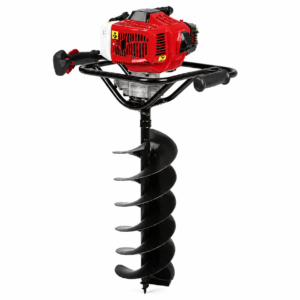
EARTH AUGER ZLAG520
Engine Specifications
Type: 2-
Stroke Cylinder Volume: 51.7 cc
Engine Power: 2.1 hp
Fuel Tank Capacity: 0.8 liters
Auger Diameter: 20 cmÂ
Auger Depth: 90 cm
Weight: 14.8 kg (Including auger)
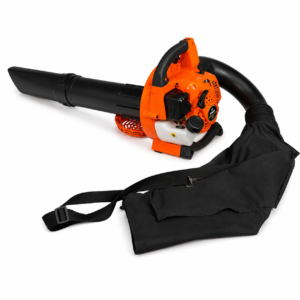
Blower&Vaccum WT0211018
| Blower&Vaccum Engine Power:0.9KW Engine:1E34FP Displacement c.c:25.4 Fuel Tank Capacity:0.4L Output Wind Flow:770m³/h Suction Capacity:Yes Max Air Speed:65m/s |
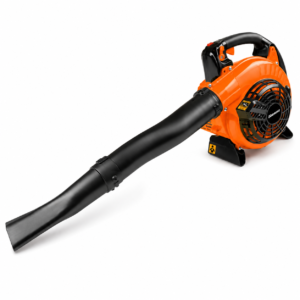
Blower WT0211019
| Blower&Vaccum Engine Power:0.9KW Engine:1E34FP Displacement c.c:25.4 Fuel Tank Capacity:0.4L Output Wind Flow:770m³/h Suction Capacity:Yes Max Air Speed:65m/s |
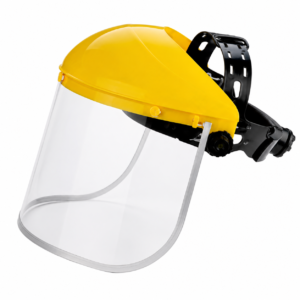
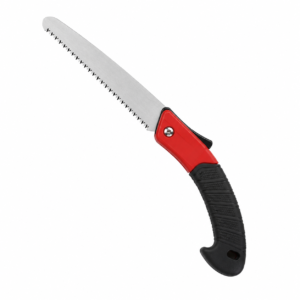
FOLDING SAW WITH PLASTIC HANDLE HK451
180mm,
1.2mm
BLADE
WITH 3-
SIDE
SHARPENED
TEETH,
BLISTER
CARD
PACKING
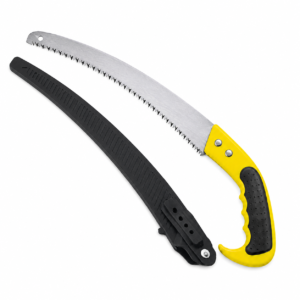
PRUNING SAW WITH THICK PLASTIC HANDLE with Plastic Pucket HK434
330mm,1.2mm BLADE WITH 3-
SIDE SHARPENED
TEETH, WITH
PLASTIC
POCKET
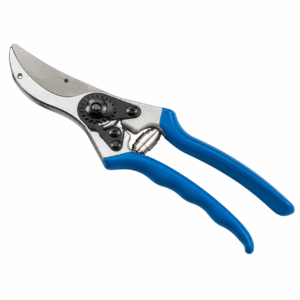
ALUMINUM HANDLE PRUNER WITH DIPPED GRIPS SE731
ALUMINUM HANDLE PRUNER WITH DIPPED GRIPS 220G
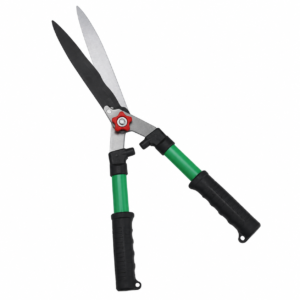
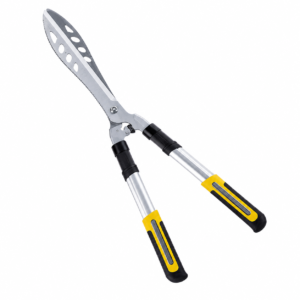
HEDGE SHEAR HS3855
Size:660mm
High carbon steel blades;
T shape aluminium alloy handle;
Comfortable PP+TPR grip;
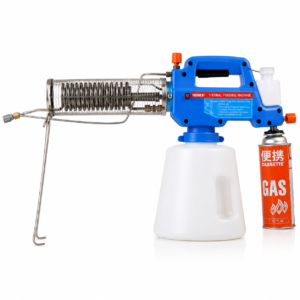
Mini thermal fogger HYT-2W
| Model | HYT-2W |
| Tank Capacity(L) | 2 |
|  Fuel |  Butane gas |
| Particle(μm) | 5-30 |
| Starting method | Piezoelectric ceramic ignitor |
| N.weight(kg) | 2.2 |
| Package Dimension(cm) | 65×20.5×38.5 |
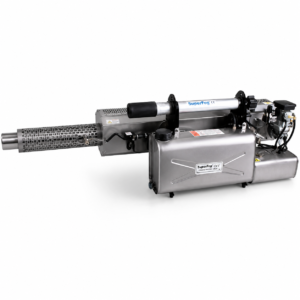
Thermal Fogger 6HYC25M-DS
Description:
| Model | 6HYC25M-DS |
|---|---|
| Chemical Tank Capacity(L) | 6 |
| Fuel Tank Capacity(L) | 1.2 |
| Spray volume (L) | 25L/H |
| Starting method | Manual & Electric |
| N.weight(kg) | 9.7 |
| Package Dimension(cm) | 109.5×35.5×36.5 |
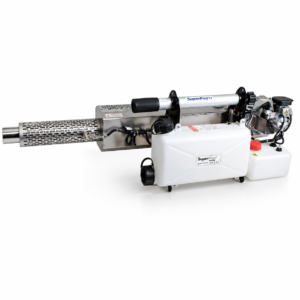
Thermal Fogger 6HYC25M-DP
Description:
| Model | 6HYC25M-DP |
|---|---|
| Chemical Tank Capacity(L) | 6 |
| Fuel Tank Capacity(L) | 1.2 |
| Spray volume (L) | 25L/H |
| Starting method | Manual & Electric |
| N.weight(kg) | 9.4 |
| Package Dimension(cm) | 109.5×35.5×36.5 |
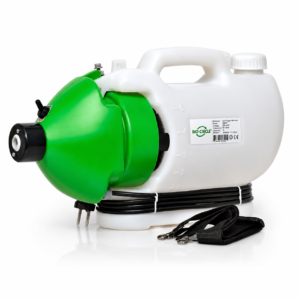
SPACE STAR COLD FOGGING MACHINE
Portable BIO SPACE STAR ULV cold fog sprayer, spraying fine fog particles with disinfectant. The device is designed for disinfection of surfaces and rooms. We recommend using 100% natural disinfectant liquid Antisept S for disinfection, which effectively kills 99.9% of bacteria and viruses, including COVID-19, in just 1 minute.
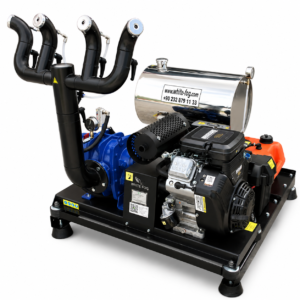
WhiteFog ULV1200
| Engine | 18 Hp. Briggs Stratton (Made in USA), Gasoline, Twin Cylinder, 4 Stroke, Air cooled, OHV, Electric started (Marched), Charged, Alternative recoil starter |
| Blower (Air Pump) | Roots Blower X1 – 10.6 m³ / min, 3600 rpm |
| Blower Connection | Direct connection (Standard) or Belt connection (Optional) |
| Pressure (Bar) | 0.4 bar |
| Tanks | Cold Fogging Tank : 50 L Thermal Fogging Tank : 50 L Fuel Tank : 22 L Flush Tank : 5 L |
| Tanks Material | Stainless steel |
| Formulation Consumption | 0 – 530 mL / Min (Adjustable with flow rate controller) |
| Fuel Consumption | 2-3 L / h (Changeable with engine speed) |
| Remote Control | Remote control on / off, Engine start / stop, ULV spraying on / off, Flush on / off |
| Battery | 12 V DC, 60 Ah |
| Nozzles | 4 Cold fogging nozzles, 1 Thermal nozzle, 1 ULV spraying gun, 1 Thermal fogging gun. |
| Dimensions (L x W x H) | 1200 x 990 x 850 mm |
| Weight | 240 kg |
| Shipping Dimensions (L x W x H) | 1380 x 1080 x 900 mm |
| Shipping Weight | 340 kg |
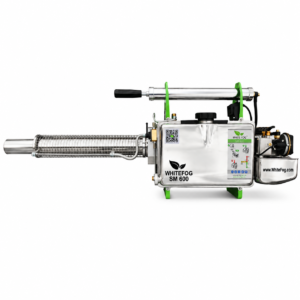
Whitefog SM 600 Thermal Fogging Machine
| Chemical Tank Capacity | 5,7 Litre (Stainless Steel) |
| Power Source | Fuel |
| Type | Automatic |
| Usage/Application | Hospital/Clinic |
| Brand | Whitefog |
| Dimension (L x W x H) mm | 120 x 27 x 34 cm |
| Fuel Tank Capacity | 1,2 Litre (Stainless Steel) |
| Formulation Tank Pressure | 0.2 bar |
| Battery | 4 x 1.5 V |
| Fuel Consumption | 19 Litre/Hour |
| Model | SM 600 |
| Burn Cell Frequency | 18.900 Kcal / H |
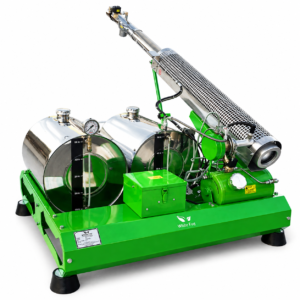
Fogger SM 900
| Engine | 42.1 kW (57.3 hp) |
| Burn Cell Frequency | 36.200 Kcal/s |
| Formulation Tank | 100 L |
| Fuel Tank | 4.5 L |
| Formulation Tank Pressure | 0.4 bar |
| Fuel Tank Pressure | 0.2 bar |
| Battery | 12 V DC |
| Formulation Consumption | 0 – 110 L / h (Adjustable with nozzles) |
| Fuel Consumption | 4.5 L / h |
| Dimensions ( L x W x H ) | 1990 x 660 x 550 (mm) |
| Weight | 80 kg |
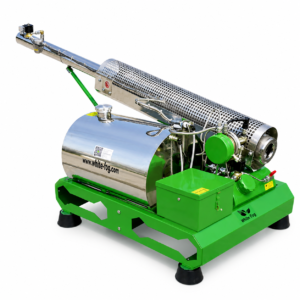
Fogger SM 700
| Engine | 42.1 kW (57.3 hp) |
| Burn Cell Frequency | 36.200 Kcal/s |
| Formulation Tank | 60 L |
| Fuel Tank | 4.5 L |
| Formulation Tank Pressure | 0.4 bar |
| Fuel Tank Pressure | 0.2 bar |
| Battery | 12 V DC |
| Formulation Consumption | 0 – 110 L / h (Adjustable with nozzles) |
| Fuel Consumption | 4.5 L / h |
| Dimensions ( L x W x H ) | 1990 x 660 x 550 (mm) |
| Weight | 70 kg |
| Shipping Dimensions ( L x W x H ) | 1990 x 740 x 690 (mm) |
| Shipping Weight | |
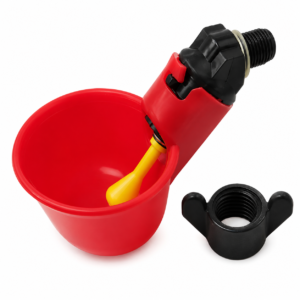
chicken water bowl
Technical Specifications – Automatic Poultry Drinker
| Item | Specification |
|---|---|
| Product Name | Automatic Poultry Drinking Cup |
| Type | Nipple Drinker with Drip Cup |
| Application | Chicken / Poultry |
| Operating System | Automatic |
| Water Activation | 360° nipple / trigger valve |
| Cup Material | High-strength PP Plastic |
| Nipple Material | ABS Engineering Plastic + Stainless Steel |
| Valve Pin | Stainless Steel 304 |
| Cup Color | Red |
| Nipple/Trigger Color | Yellow |
| Water Flow Rate | Approx. 70–120 ml/min, depending on model |
| Water Saving | Low water wastage and reduced leakage |
| Water Delivery | Water released when bird activates the nipple |
| Installation | Direct connection to poultry drinking pipe |
| Suitable Pipe | Square pipe 22 × 22 mm / 25 × 25 mm, depending on fitting |
| Suitable Birds | Broilers, Layers, Chicks, Quails and other poultry |
| Cleaning | Removable cup for easy cleaning |
| Corrosion Resistance | Yes |
| Leak Prevention | Sealed valve and rubber gasket |
| Maintenance | Easy to install, dismantle and clean |
| Expected Service Life | Long service life under normal farm conditions |
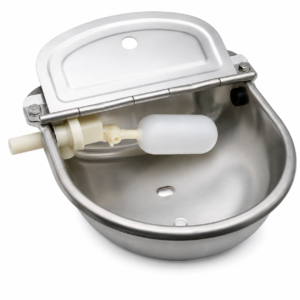
stainless steel cattle bowl
Technical Specifications – Automatic Stainless Steel Drinking Bowl
| Item | Specification |
|---|---|
| Product Type | Automatic Livestock Drinking Bowl |
| Material | High-quality Stainless Steel |
| Construction | Heavy-duty, durable and corrosion-resistant |
| Water Control | Automatic float valve |
| Float | Internal food-grade plastic float |
| Water Level | Automatically maintained by the float valve |
| Water Inlet | Side inlet connection |
| Inlet Size | Approx. 1/2 inch |
| Operating Pressure | Approx. 0.2–6 bar |
| Bowl Capacity | Approx. 2–5 liters |
| Drainage | Drainage opening for easy cleaning |
| Cover | Stainless-steel protective cover over the valve |
| Installation | Wall or pipe mounting |
| Power Requirement | No electricity required |
| Cleaning | Easy to clean and maintain |
| Corrosion Resistance | Excellent resistance to rust and corrosion |
| Applications | Cattle, horses, sheep, goats and other livestock |
| Suitable Environment | Farms, livestock barns, stables and outdoor agricultural areas |
Key Features
- Automatic water supply without electricity.
- Stainless-steel bowl for long service life.
- Protected internal float valve.
- Maintains a constant water level.
- Hygienic and easy to clean.
- Suitable for continuous livestock use.
- Resistant to corrosion and harsh agricultural conditions.
Recommended Tender Description:
Automatic Stainless Steel Livestock Drinking Bowl, heavy-duty construction, equipped with an internal automatic float valve for maintaining a constant water level, corrosion-resistant stainless-steel bowl, side water inlet, drainage opening, protective valve cover, easy to clean and suitable for cattle, horses, sheep, goats and other livestock.
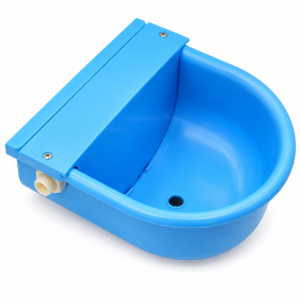
plastic cattle bowl
Automatic Livestock Water Bowl – Technical Specification
- Heavy-duty automatic drinking bowl for livestock.
- Manufactured from high-quality, impact-resistant plastic.
- UV-resistant and suitable for outdoor agricultural use.
- Equipped with an automatic float valve to maintain a constant water level.
- Water inlet connection: 1/2 inch or equivalent.
- Suitable operating pressure: approximately 0.2–6 bar.
- Bowl capacity: approximately 5–8 liters.
- Easy-to-clean design with drainage outlet.
- Suitable for cattle, sheep, goats, horses and other livestock.
- Corrosion-free and resistant to agricultural environmental conditions.
- Wall-mountable and easy to install.
- Color: Blue.
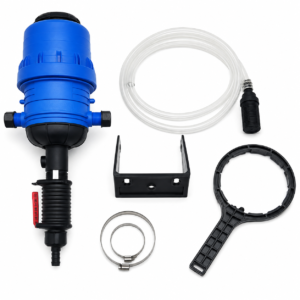
Water-Powered Proportional Fertilizer Injector
Technical Specifications – Proportional Fertilizer Injector
| Item | Specification |
|---|---|
| Type | Water-Powered Proportional Fertilizer Injector |
| Application | Injection of liquid fertilizers and chemical solutions into irrigation systems |
| Proportional Range | 0.4% – 4% |
| Injection Ratio | 1:250 – 1:25 |
| Water Flow Rate | Approx. 20 – 2,500 L/h |
| Operating Pressure | Approx. 0.2 – 8 bar |
| Water Temperature | Approx. 4 – 40°C |
| Operating Principle | Water-powered; requires no electricity |
| Dosage Adjustment | Manual/mechanical adjustment of injection rate |
| Inlet / Outlet Connection | 3/4″ BSPT |
| Maximum Injection Rate | Up to approx. 100 L/h, depending on model |
| Suction Tube | Approx. 10–16 mm, depending on model |
| Construction Material | Engineering plastic resistant to chemicals and fertilizers |
| Installation | Inline or bypass installation |
| Power Source | Water flow and pressure |
| Applications | Drip irrigation, sprinklers, greenhouses, fertigation and hydroponic systems |
Proportional Range: 0.4% – 4%
The injection rate can be adjusted according to the required fertilizer concentration:
- 0.4% = 4 L of concentrate per 1,000 L of irrigation water
- 1% = 10 L per 1,000 L
- 2% = 20 L per 1,000 L
- 4% = 40 L per 1,000 L
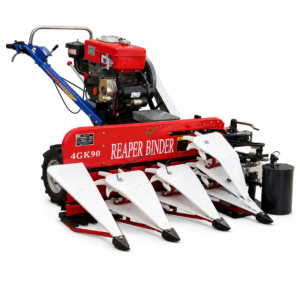
Mini Reaper 4GK90
| Model | 4GK90 |
| Machine Type | Reaper Binder / Mini Reaper Harvester |
| Engine Type | Gasoline Engine |
| Engine Power | 9 HP |
| Cutting Width | 900 mm |
| Minimum Cutting Height | ≥ 50 mm |
| Cutting Type | Vertical Cutting System |
| Binding System | Automatic Binding |
| Fan / Cutting System | Double Fan |
| Laying Type | Sidewise & Banded Placed |
| Laying Angle | 90° ± 20° |
| Working Capacity | 1,500–2,000 m²/h |
| Gear | 2 Forward + 1 Reverse* |
| Drive | Self-propelled |
| Application | Wheat, Rice, Barley, Oats, Grass, Reed, Soybean |
| Suitable Fields | Flat fields, hills, slopes and narrow fields |
| Net Weight | 300 kg |
| Gross Weight | 330 kg |
| Packing Size | 1470 × 1130 × 650 mm |
| Origin | China |
| HS Code | 8433599090 |
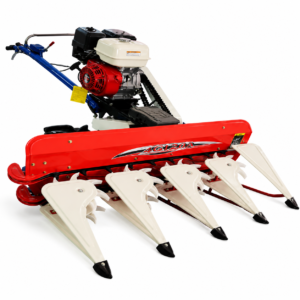
Mini Reaper 4G120A
| Model | 4G120A |
| Machine Type | Self-Propelled Mini Reaper / Agricultural Reaper |
| Engine Type | Gasoline Engine |
| Engine Model | JF270 |
| Engine Power | 9 HP / 6.6 kW |
| Cooling System | Air Cooled |
| Fuel | Gasoline / Petrol |
| Cutting Width | 1200 mm |
| Minimum Cutting Height | ≥ 50 mm |
| Cutting System | Double Blade / Double Fan |
| Blade Type | Reciprocating / High-strength steel blades |
| Placing Type | Sidewise & Banded Placed |
| Working Speed |  2.6–3.6 km/h |
| Productivity | 2,000–3,000 m²/hour |
| Applications | Wheat, Rice, Soybean, Forage Grass, Sesame, Reeds |
| Field Suitability | Plains, Hills, Slopes, Small & Narrow Fields |
| Net Weight |  216–220 kg |
| Gross Weight | Â 260 kg |
| Overall/Packing Dimensions |  1470 × 1070 × 650 mm |
| Drive | Self-propelled |
| Transmission | Gear drive / hard shaft |
| Operation | Walk-behind / Man-held |
| HS Code | 8433599090 |
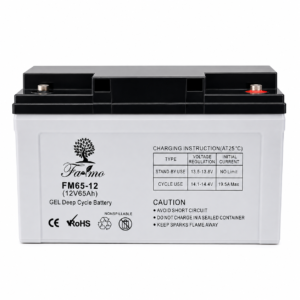
Fa-mo FM65-12 12V 65Ah GEL Deep Cycle Battery
- Type: GEL Deep Cycle Battery (Model: FM65-12)
- Capacity: 12V 65Ah
- Stand-by Use Voltage: 13.5–13.8V (No initial current limit)
- Cycle Use Voltage: 14.1–14.4V (Initial current: 19.5A Max)
- Avoid short circuits.
- Do not charge inside a sealed container.
- Keep away from sparks and open flames.
- It is a non-spillable, valve-regulated sealed lead-acid battery.
-
- What device or system you plan to connect this battery to (solar setup, UPS, wheelchair, etc.)
- What charging equipment you are using
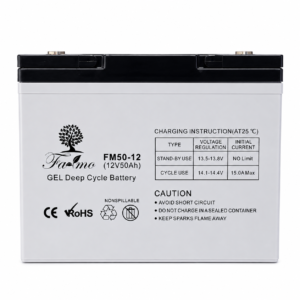
Fa-mo FM50-12 12V 50Ah GEL Deep Cycle Battery
- Type: Gel Deep Cycle Battery, 12 Volts, 50 Amp-hours (Ah)
- Standby Use Voltage: 13.5–13.8V (No limit on initial current)
- Cycle Use Voltage: 14.1–14.4V (15.0A Max initial current) [1]
- Avoid short circuits.
- Do not charge in a sealed container.
- Keep away from sparks and open flames.
- What device or system you plan to use this battery with (solar setup, UPS, wheelchair, etc.)
- If you need help calculating run times or choosing a compatible charger
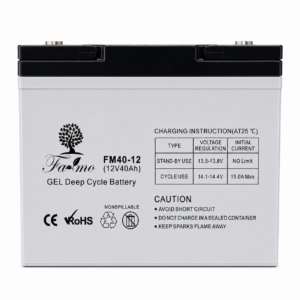
Fa-mo FM40-12 12V 40Ah GEL Deep Cycle Battery
- Nominal Voltage: 12V
- Capacity: 40Ah
- Standby Use Voltage Regulation: 13.5V – 13.8V (No current limit)
- Cycle Use Voltage Regulation: 14.1V – 14.4V (15.0A Max initial current)
- Avoid short circuits.
- Do not charge in a sealed container.
- Keep away from sparks and open flames.
- What device or system you plan to use this battery for (solar setup, UPS, wheelchair, etc.)
- What information or help you need (charging methods, lifespan, replacement compatibility?)
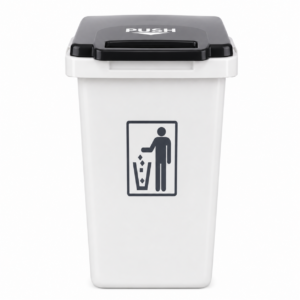
50Liter Connected assort bin
Connected assort bin
Capacity:50Liter
Spe:45*33.5*56cm±5%
Material:PP
N.W(KGS):1.85kgs±5%
30Liter Connected assort bin
Connected assort bin
Capacity:30Liter
Spe:39.5*30*46.5cm±5%
Material:PP
N.W(KGS):1.40kgs±5%
20Liter Connected assort bin
Connected assort bin
Capacity:20Liter
Spe:34*25.5*38cm±5%
Material:PP
N.W(KGS):0.90kgs±5%
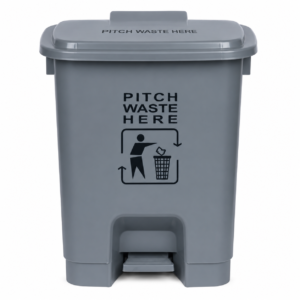
50Liter Plastic pedal trash bin
Plastic pedal trash bin
Capacity:50Liter
Size:L39*W36*H65cm±5%
Material:PP
N.W(KGS):2.4kgs±5%
30Liter Plastic pedal trash bin
Plastic pedal trash bin
Capacity:30Liter
Size:L37*W33*H50cm±5%
Material:PP
N.W(KGS):1.5kgs±5%
20Liter Plastic pedal trash bin
Plastic pedal trash bin
Capacity:20Liter
Size:L31*W25.5*H40cm±5%
Material:PP
N.W(KGS):1.0kgs±5%
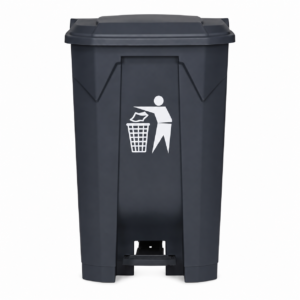
Pedal Trash Bin 80L Plastic Dustbin (Black)
Plastic pedal trash bin
Capacity: 80Liter
Size:47.5*41.5*68.5CM
Material:PP
N.W(KGS):3.00kgs±5%
Pedal Trash Bin 50L Plastic Dustbin (Black)
Plastic pedal trash bin
Capacity: 50Liter
Size:41*39*57CM
Material : PP
N.W(KGS):2.2kgs±5%
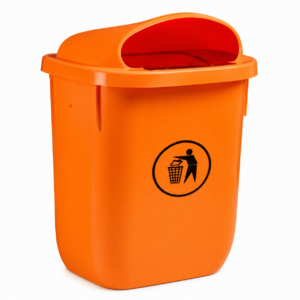
Waste Paper Bin Outdoor DIN PK Capacity 50 L Orange
Single Bin w/o Pole
Capacity: 50Liter x1pcs
Size:440*330*756mm
Material: PP
N.W(KGS):2.86kgs ±5%
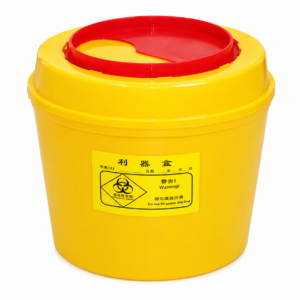
Sharps Bin Needle Container Disposable Plastic Box 8 Litre (Color : Yellow)
Product description
Sharp Containers
Capacity:8Liter
Spe:23*23cm±5%
Material:100% virgin PP
Attribute
Uses:Collect needles of disposable articles such as syringes and infusion sets,small glass products, all kinds of blades,scalp needles,suture needles and other sharp articles,whole syringes with blood,infusion sets and other equipment in contact with blood,sharp dangerous goods such as sharp instruments that must be put into sharp boxes as required by other regulations
Material:Polypropylene
Specifications:5L
Caracteristique
The sharp bin is made of new polypropylene plastic,which does not contain PVC.It is convenient,safe,non-toxic,puncture resistant,no leakage,easy to burn at high temperature,and cannot be opened without damage after sealing
Container locks for final disposal and safe transport.
Strong secure plastic construction cut puncture resistant.
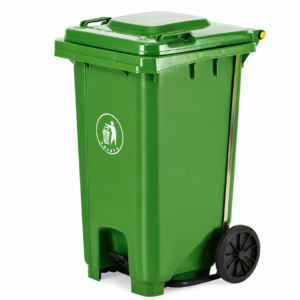
RT-240U L Plastic Waste Container
Plastic Dustbin
Capacity:240Liter
Size:L57.5*W72*H108cm±5%
Material:HDPE
N.W(KGS):14.7kgs±5%
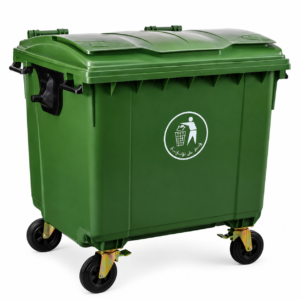
1100 L Plastic Waste Container
Plastic Industry Bin
Capacity:1100Liter
Size:L136*W106*H129cm±5%
Material:HDPE
N.W(KGS):51kgs±5%
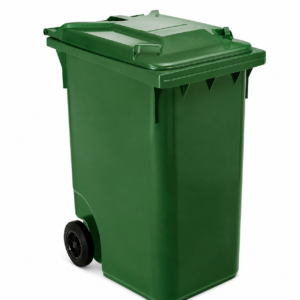
360 L Plastic Waste Container
Plastic Dustbin
Capacity:360Liter
Size:L87*W71*H111.50cm±5%
Material:HDPE
N.W(KGS):22kgs±5%
SHADE NET DESERT SAND ROLL 4*100 150%
Shading shade net 150% 4 x 100 m is used in vegetable and fruit growing; it protects plants from the sun and other external factors that affect crops during their growth and harvest periods.
Recently, the netting has been widely used for constructing greenhouses and various fences (creating a protective screen that lowers the temperature inside the greenhouse by 5–10 °C). It is also useful in the home by limiting access by flying insects.
Technical Specifications:
– Shading percentage: 150%;
– Dimensions: 4 m x 100 m;
– Color: green.
Advantages:
– The netting is made of durable and lightweight polyethylene tape;
– It is environmentally friendly and contains no metal parts;
– It is reusable;
– It is quick and easy to install;
– provides reliable protection and ventilation.
Applications:
– shades vegetable and berry crops from the sun, hail, excess moisture, and damage by birds;
– indispensable for drying berries, mushrooms, fruits, and vegetables;
– protects against damage caused by ripe fruit falling from fruit trees;
– protects construction sites from debris, shards, and stones falling from heights;
– suitable for fencing, shading greenhouses, covering equipment, and setting up recreation and event areas.
The netting is secured using metal, plastic, or wooden frames, whether industrially manufactured or homemade. When shading a greenhouse, the netting is spread over plastic film or glass, covering 30 to 100% of the surface.
The technology for using shade netting is very simple. During periods of high temperatures, the net is stretched over the greenhouse surface, causing the temperature inside the greenhouse to drop by 5–10°C. On cloudy days, when there is insufficient light and heat, the net can be easily removed. Additionally, the shading net protects plastic greenhouses from hail and strong gusts of wind. In this case, the service life of the film is extended.
When using a shade net in open fields, a simple wooden frame is installed above the ridges, over which the net is stretched. In this case, the net is also capable of protecting plants not only from direct sunlight but also from hail and strong gusts of wind.
Country of origin: Turkey.
What are the benefits of a shade net?
A shade net is a type of polymer fabric consisting of numerous cells of a specific size (similar to a mosquito net). This structure significantly reduces the amount of light passing through it and, consequently, helps stabilize the temperature inside the greenhouse. During the summer season, when heatwaves are more frequent than ever, crops must be protected from excessively intense sunlight (excessive exposure can cause significant damage to plants and even lead to the complete loss of the harvest). Such nets serve as reliable shade for greenhouse plants.
High crop yields are crucial for both agriculture and private gardeners. To this end, a specialized structure such as a greenhouse is used. However, simply using greenhouses is far from always effective. To solve this problem, various improvements are applied, among which the most successful have been those manufactured using a special technology—shading nets.
Properties of shading nets
Their main function is to protect crops from excessive sun exposure. However, they also have a number of additional useful properties:
ease and convenience of use (depending on temperature conditions, the net can be easily removed or reattached)
protection of polyethylene-covered greenhouses from strong winds, rain, and even hail (increases the film’s durability)
can be successfully used not only for greenhouses but also for outdoor plantings
high strength and durability (the shade net is highly resistant to mechanical and weather-related damage)
Compact size and light weight when folded (easy to store between uses)
Can be used as a covering material not only for greenhouses, but also for structures such as gazebos, porches, windows, etc.
Shade net installation technology
If necessary, the net can be simply secured by stretching it over the greenhouse surface. If plants are grown outdoors, a wooden frame is installed above the beds, to which the net is attached from above. During installation, factors such as the area size, thickness, and spacing for connection to the frame should be taken into account.
SHADE NET WHITE+RED ROLL 4*100 100%
Shading shade net 100% 4 x 100 m is used in vegetable and fruit growing; it protects plants from the sun and other external factors that affect crops during their growth and harvest periods.
Recently, the netting has been widely used for constructing greenhouses and various fences (creating a protective screen that lowers the temperature inside the greenhouse by 5–10 °C). It is also useful in the home by limiting access by flying insects.
Technical Specifications:
– Shading percentage: 100%;
– Dimensions: 4 m x 100 m;
– Color: green.
Advantages:
– The netting is made of durable and lightweight polyethylene tape;
– It is environmentally friendly and contains no metal parts;
– It is reusable;
– It is quick and easy to install;
– provides reliable protection and ventilation.
Applications:
– shades vegetable and berry crops from the sun, hail, excess moisture, and damage by birds;
– indispensable for drying berries, mushrooms, fruits, and vegetables;
– protects against damage caused by ripe fruit falling from fruit trees;
– protects construction sites from debris, shards, and stones falling from heights;
– suitable for fencing, shading greenhouses, covering equipment, and setting up recreation and event areas.
The netting is secured using metal, plastic, or wooden frames, whether industrially manufactured or homemade. When shading a greenhouse, the netting is spread over plastic film or glass, covering 30 to 100% of the surface.
The technology for using shade netting is very simple. During periods of high temperatures, the net is stretched over the greenhouse surface, causing the temperature inside the greenhouse to drop by 5–10°C. On cloudy days, when there is insufficient light and heat, the net can be easily removed. Additionally, the shading net protects plastic greenhouses from hail and strong gusts of wind. In this case, the service life of the film is extended.
When using a shade net in open fields, a simple wooden frame is installed above the ridges, over which the net is stretched. In this case, the net is also capable of protecting plants not only from direct sunlight but also from hail and strong gusts of wind.
Country of origin: Turkey.
What are the benefits of a shade net?
A shade net is a type of polymer fabric consisting of numerous cells of a specific size (similar to a mosquito net). This structure significantly reduces the amount of light passing through it and, consequently, helps stabilize the temperature inside the greenhouse. During the summer season, when heatwaves are more frequent than ever, crops must be protected from excessively intense sunlight (excessive exposure can cause significant damage to plants and even lead to the complete loss of the harvest). Such nets serve as reliable shade for greenhouse plants.
High crop yields are crucial for both agriculture and private gardeners. To this end, a specialized structure such as a greenhouse is used. However, simply using greenhouses is far from always effective. To solve this problem, various improvements are applied, among which the most successful have been those manufactured using a special technology—shading nets.
Properties of shading nets
Their main function is to protect crops from excessive sun exposure. However, they also have a number of additional useful properties:
ease and convenience of use (depending on temperature conditions, the net can be easily removed or reattached)
protection of polyethylene-covered greenhouses from strong winds, rain, and even hail (increases the film’s durability)
can be successfully used not only for greenhouses but also for outdoor plantings
high strength and durability (the shade net is highly resistant to mechanical and weather-related damage)
Compact size and light weight when folded (easy to store between uses)
Can be used as a covering material not only for greenhouses, but also for structures such as gazebos, porches, windows, etc.
Shade net installation technology
If necessary, the net can be simply secured by stretching it over the greenhouse surface. If plants are grown outdoors, a wooden frame is installed above the beds, to which the net is attached from above. During installation, factors such as the area size, thickness, and spacing for connection to the frame should be taken into account.
SHADE NET WHITE+YELLOW ROLL 4*100 100%
Shading shade net 100% 4 x 100 m is used in vegetable and fruit growing; it protects plants from the sun and other external factors that affect crops during their growth and harvest periods.
Recently, the netting has been widely used for constructing greenhouses and various fences (creating a protective screen that lowers the temperature inside the greenhouse by 5–10 °C). It is also useful in the home by limiting access by flying insects.
Technical Specifications:
– Shading percentage: 100%;
– Dimensions: 4 m x 100 m;
– Color: green.
Advantages:
– The netting is made of durable and lightweight polyethylene tape;
– It is environmentally friendly and contains no metal parts;
– It is reusable;
– It is quick and easy to install;
– provides reliable protection and ventilation.
Applications:
– shades vegetable and berry crops from the sun, hail, excess moisture, and damage by birds;
– indispensable for drying berries, mushrooms, fruits, and vegetables;
– protects against damage caused by ripe fruit falling from fruit trees;
– protects construction sites from debris, shards, and stones falling from heights;
– suitable for fencing, shading greenhouses, covering equipment, and setting up recreation and event areas.
The netting is secured using metal, plastic, or wooden frames, whether industrially manufactured or homemade. When shading a greenhouse, the netting is spread over plastic film or glass, covering 30 to 100% of the surface.
The technology for using shade netting is very simple. During periods of high temperatures, the net is stretched over the greenhouse surface, causing the temperature inside the greenhouse to drop by 5–10°C. On cloudy days, when there is insufficient light and heat, the net can be easily removed. Additionally, the shading net protects plastic greenhouses from hail and strong gusts of wind. In this case, the service life of the film is extended.
When using a shade net in open fields, a simple wooden frame is installed above the ridges, over which the net is stretched. In this case, the net is also capable of protecting plants not only from direct sunlight but also from hail and strong gusts of wind.
Country of origin: Turkey.
What are the benefits of a shade net?
A shade net is a type of polymer fabric consisting of numerous cells of a specific size (similar to a mosquito net). This structure significantly reduces the amount of light passing through it and, consequently, helps stabilize the temperature inside the greenhouse. During the summer season, when heatwaves are more frequent than ever, crops must be protected from excessively intense sunlight (excessive exposure can cause significant damage to plants and even lead to the complete loss of the harvest). Such nets serve as reliable shade for greenhouse plants.
High crop yields are crucial for both agriculture and private gardeners. To this end, a specialized structure such as a greenhouse is used. However, simply using greenhouses is far from always effective. To solve this problem, various improvements are applied, among which the most successful have been those manufactured using a special technology—shading nets.
Properties of shading nets
Their main function is to protect crops from excessive sun exposure. However, they also have a number of additional useful properties:
ease and convenience of use (depending on temperature conditions, the net can be easily removed or reattached)
protection of polyethylene-covered greenhouses from strong winds, rain, and even hail (increases the film’s durability)
can be successfully used not only for greenhouses but also for outdoor plantings
high strength and durability (the shade net is highly resistant to mechanical and weather-related damage)
Compact size and light weight when folded (easy to store between uses)
Can be used as a covering material not only for greenhouses, but also for structures such as gazebos, porches, windows, etc.
Shade net installation technology
If necessary, the net can be simply secured by stretching it over the greenhouse surface. If plants are grown outdoors, a wooden frame is installed above the beds, to which the net is attached from above. During installation, factors such as the area size, thickness, and spacing for connection to the frame should be taken into account.
SHADE NET BLUE ROLL 4*100 185%
Shading shade net 185% 4 x 100 m is used in vegetable and fruit growing; it protects plants from the sun and other external factors that affect crops during their growth and harvest periods.
Recently, the netting has been widely used for constructing greenhouses and various fences (creating a protective screen that lowers the temperature inside the greenhouse by 5–10 °C). It is also useful in the home by limiting access by flying insects.
Technical Specifications:
– Shading percentage: 185%;
– Dimensions: 4 m x 100 m;
– Color: green.
Advantages:
– The netting is made of durable and lightweight polyethylene tape;
– It is environmentally friendly and contains no metal parts;
– It is reusable;
– It is quick and easy to install;
– provides reliable protection and ventilation.
Applications:
– shades vegetable and berry crops from the sun, hail, excess moisture, and damage by birds;
– indispensable for drying berries, mushrooms, fruits, and vegetables;
– protects against damage caused by ripe fruit falling from fruit trees;
– protects construction sites from debris, shards, and stones falling from heights;
– suitable for fencing, shading greenhouses, covering equipment, and setting up recreation and event areas.
The netting is secured using metal, plastic, or wooden frames, whether industrially manufactured or homemade. When shading a greenhouse, the netting is spread over plastic film or glass, covering 30 to 100% of the surface.
The technology for using shade netting is very simple. During periods of high temperatures, the net is stretched over the greenhouse surface, causing the temperature inside the greenhouse to drop by 5–10°C. On cloudy days, when there is insufficient light and heat, the net can be easily removed. Additionally, the shading net protects plastic greenhouses from hail and strong gusts of wind. In this case, the service life of the film is extended.
When using a shade net in open fields, a simple wooden frame is installed above the ridges, over which the net is stretched. In this case, the net is also capable of protecting plants not only from direct sunlight but also from hail and strong gusts of wind.
Country of origin: Turkey.
What are the benefits of a shade net?
A shade net is a type of polymer fabric consisting of numerous cells of a specific size (similar to a mosquito net). This structure significantly reduces the amount of light passing through it and, consequently, helps stabilize the temperature inside the greenhouse. During the summer season, when heatwaves are more frequent than ever, crops must be protected from excessively intense sunlight (excessive exposure can cause significant damage to plants and even lead to the complete loss of the harvest). Such nets serve as reliable shade for greenhouse plants.
High crop yields are crucial for both agriculture and private gardeners. To this end, a specialized structure such as a greenhouse is used. However, simply using greenhouses is far from always effective. To solve this problem, various improvements are applied, among which the most successful have been those manufactured using a special technology—shading nets.
Properties of shading nets
Their main function is to protect crops from excessive sun exposure. However, they also have a number of additional useful properties:
ease and convenience of use (depending on temperature conditions, the net can be easily removed or reattached)
protection of polyethylene-covered greenhouses from strong winds, rain, and even hail (increases the film’s durability)
can be successfully used not only for greenhouses but also for outdoor plantings
high strength and durability (the shade net is highly resistant to mechanical and weather-related damage)
Compact size and light weight when folded (easy to store between uses)
Can be used as a covering material not only for greenhouses, but also for structures such as gazebos, porches, windows, etc.
Shade net installation technology
If necessary, the net can be simply secured by stretching it over the greenhouse surface. If plants are grown outdoors, a wooden frame is installed above the beds, to which the net is attached from above. During installation, factors such as the area size, thickness, and spacing for connection to the frame should be taken into account.
SHADE NET GREEN ROLL 4*100 90%
Shading shade net 90% 4 x 100 m is used in vegetable and fruit growing; it protects plants from the sun and other external factors that affect crops during their growth and harvest periods.
Recently, the netting has been widely used for constructing greenhouses and various fences (creating a protective screen that lowers the temperature inside the greenhouse by 5–10 °C). It is also useful in the home by limiting access by flying insects.
Technical Specifications:
– Shading percentage: 90%;
– Dimensions: 4 m x 100 m;
– Color: green.
Advantages:
– The netting is made of durable and lightweight polyethylene tape;
– It is environmentally friendly and contains no metal parts;
– It is reusable;
– It is quick and easy to install;
– provides reliable protection and ventilation.
Applications:
– shades vegetable and berry crops from the sun, hail, excess moisture, and damage by birds;
– indispensable for drying berries, mushrooms, fruits, and vegetables;
– protects against damage caused by ripe fruit falling from fruit trees;
– protects construction sites from debris, shards, and stones falling from heights;
– suitable for fencing, shading greenhouses, covering equipment, and setting up recreation and event areas.
The netting is secured using metal, plastic, or wooden frames, whether industrially manufactured or homemade. When shading a greenhouse, the netting is spread over plastic film or glass, covering 30 to 100% of the surface.
The technology for using shade netting is very simple. During periods of high temperatures, the net is stretched over the greenhouse surface, causing the temperature inside the greenhouse to drop by 5–10°C. On cloudy days, when there is insufficient light and heat, the net can be easily removed. Additionally, the shading net protects plastic greenhouses from hail and strong gusts of wind. In this case, the service life of the film is extended.
When using a shade net in open fields, a simple wooden frame is installed above the ridges, over which the net is stretched. In this case, the net is also capable of protecting plants not only from direct sunlight but also from hail and strong gusts of wind.
Country of origin: Turkey.
What are the benefits of a shade net?
A shade net is a type of polymer fabric consisting of numerous cells of a specific size (similar to a mosquito net). This structure significantly reduces the amount of light passing through it and, consequently, helps stabilize the temperature inside the greenhouse. During the summer season, when heatwaves are more frequent than ever, crops must be protected from excessively intense sunlight (excessive exposure can cause significant damage to plants and even lead to the complete loss of the harvest). Such nets serve as reliable shade for greenhouse plants.
High crop yields are crucial for both agriculture and private gardeners. To this end, a specialized structure such as a greenhouse is used. However, simply using greenhouses is far from always effective. To solve this problem, various improvements are applied, among which the most successful have been those manufactured using a special technology—shading nets.
Properties of shading nets
Their main function is to protect crops from excessive sun exposure. However, they also have a number of additional useful properties:
ease and convenience of use (depending on temperature conditions, the net can be easily removed or reattached)
protection of polyethylene-covered greenhouses from strong winds, rain, and even hail (increases the film’s durability)
can be successfully used not only for greenhouses but also for outdoor plantings
high strength and durability (the shade net is highly resistant to mechanical and weather-related damage)
Compact size and light weight when folded (easy to store between uses)
Can be used as a covering material not only for greenhouses, but also for structures such as gazebos, porches, windows, etc.
Shade net installation technology
If necessary, the net can be simply secured by stretching it over the greenhouse surface. If plants are grown outdoors, a wooden frame is installed above the beds, to which the net is attached from above. During installation, factors such as the area size, thickness, and spacing for connection to the frame should be taken into account.
SHADE NET BLUE ROLL 4*100 90%
Shading shade net 90% 4 x 100 m is used in vegetable and fruit growing; it protects plants from the sun and other external factors that affect crops during their growth and harvest periods.
Recently, the netting has been widely used for constructing greenhouses and various fences (creating a protective screen that lowers the temperature inside the greenhouse by 5–10 °C). It is also useful in the home by limiting access by flying insects.
Technical Specifications:
– Shading percentage: 90%;
– Dimensions: 4 m x 100 m;
– Color: green.
Advantages:
– The netting is made of durable and lightweight polyethylene tape;
– It is environmentally friendly and contains no metal parts;
– It is reusable;
– It is quick and easy to install;
– provides reliable protection and ventilation.
Applications:
– shades vegetable and berry crops from the sun, hail, excess moisture, and damage by birds;
– indispensable for drying berries, mushrooms, fruits, and vegetables;
– protects against damage caused by ripe fruit falling from fruit trees;
– protects construction sites from debris, shards, and stones falling from heights;
– suitable for fencing, shading greenhouses, covering equipment, and setting up recreation and event areas.
The netting is secured using metal, plastic, or wooden frames, whether industrially manufactured or homemade. When shading a greenhouse, the netting is spread over plastic film or glass, covering 30 to 100% of the surface.
The technology for using shade netting is very simple. During periods of high temperatures, the net is stretched over the greenhouse surface, causing the temperature inside the greenhouse to drop by 5–10°C. On cloudy days, when there is insufficient light and heat, the net can be easily removed. Additionally, the shading net protects plastic greenhouses from hail and strong gusts of wind. In this case, the service life of the film is extended.
When using a shade net in open fields, a simple wooden frame is installed above the ridges, over which the net is stretched. In this case, the net is also capable of protecting plants not only from direct sunlight but also from hail and strong gusts of wind.
Country of origin: Turkey.
What are the benefits of a shade net?
A shade net is a type of polymer fabric consisting of numerous cells of a specific size (similar to a mosquito net). This structure significantly reduces the amount of light passing through it and, consequently, helps stabilize the temperature inside the greenhouse. During the summer season, when heatwaves are more frequent than ever, crops must be protected from excessively intense sunlight (excessive exposure can cause significant damage to plants and even lead to the complete loss of the harvest). Such nets serve as reliable shade for greenhouse plants.
High crop yields are crucial for both agriculture and private gardeners. To this end, a specialized structure such as a greenhouse is used. However, simply using greenhouses is far from always effective. To solve this problem, various improvements are applied, among which the most successful have been those manufactured using a special technology—shading nets.
Properties of shading nets
Their main function is to protect crops from excessive sun exposure. However, they also have a number of additional useful properties:
ease and convenience of use (depending on temperature conditions, the net can be easily removed or reattached)
protection of polyethylene-covered greenhouses from strong winds, rain, and even hail (increases the film’s durability)
can be successfully used not only for greenhouses but also for outdoor plantings
high strength and durability (the shade net is highly resistant to mechanical and weather-related damage)
Compact size and light weight when folded (easy to store between uses)
Can be used as a covering material not only for greenhouses, but also for structures such as gazebos, porches, windows, etc.
Shade net installation technology
If necessary, the net can be simply secured by stretching it over the greenhouse surface. If plants are grown outdoors, a wooden frame is installed above the beds, to which the net is attached from above. During installation, factors such as the area size, thickness, and spacing for connection to the frame should be taken into account.
SHADE NET BLACK ROLL 4*100 60%
Shading shade net 60% 4 x 100 m is used in vegetable and fruit growing; it protects plants from the sun and other external factors that affect crops during their growth and harvest periods.
Recently, the netting has been widely used for constructing greenhouses and various fences (creating a protective screen that lowers the temperature inside the greenhouse by 5–10 °C). It is also useful in the home by limiting access by flying insects.
Technical Specifications:
– Shading percentage: 60%;
– Dimensions: 4 m x 100 m;
– Color: green.
Advantages:
– The netting is made of durable and lightweight polyethylene tape;
– It is environmentally friendly and contains no metal parts;
– It is reusable;
– It is quick and easy to install;
– provides reliable protection and ventilation.
Applications:
– shades vegetable and berry crops from the sun, hail, excess moisture, and damage by birds;
– indispensable for drying berries, mushrooms, fruits, and vegetables;
– protects against damage caused by ripe fruit falling from fruit trees;
– protects construction sites from debris, shards, and stones falling from heights;
– suitable for fencing, shading greenhouses, covering equipment, and setting up recreation and event areas.
The netting is secured using metal, plastic, or wooden frames, whether industrially manufactured or homemade. When shading a greenhouse, the netting is spread over plastic film or glass, covering 30 to 100% of the surface.
The technology for using shade netting is very simple. During periods of high temperatures, the net is stretched over the greenhouse surface, causing the temperature inside the greenhouse to drop by 5–10°C. On cloudy days, when there is insufficient light and heat, the net can be easily removed. Additionally, the shading net protects plastic greenhouses from hail and strong gusts of wind. In this case, the service life of the film is extended.
When using a shade net in open fields, a simple wooden frame is installed above the ridges, over which the net is stretched. In this case, the net is also capable of protecting plants not only from direct sunlight but also from hail and strong gusts of wind.
Country of origin: Turkey.
What are the benefits of a shade net?
A shade net is a type of polymer fabric consisting of numerous cells of a specific size (similar to a mosquito net). This structure significantly reduces the amount of light passing through it and, consequently, helps stabilize the temperature inside the greenhouse. During the summer season, when heatwaves are more frequent than ever, crops must be protected from excessively intense sunlight (excessive exposure can cause significant damage to plants and even lead to the complete loss of the harvest). Such nets serve as reliable shade for greenhouse plants.
High crop yields are crucial for both agriculture and private gardeners. To this end, a specialized structure such as a greenhouse is used. However, simply using greenhouses is far from always effective. To solve this problem, various improvements are applied, among which the most successful have been those manufactured using a special technology—shading nets.
Properties of shading nets
Their main function is to protect crops from excessive sun exposure. However, they also have a number of additional useful properties:
ease and convenience of use (depending on temperature conditions, the net can be easily removed or reattached)
protection of polyethylene-covered greenhouses from strong winds, rain, and even hail (increases the film’s durability)
can be successfully used not only for greenhouses but also for outdoor plantings
high strength and durability (the shade net is highly resistant to mechanical and weather-related damage)
Compact size and light weight when folded (easy to store between uses)
Can be used as a covering material not only for greenhouses, but also for structures such as gazebos, porches, windows, etc.
Shade net installation technology
If necessary, the net can be simply secured by stretching it over the greenhouse surface. If plants are grown outdoors, a wooden frame is installed above the beds, to which the net is attached from above. During installation, factors such as the area size, thickness, and spacing for connection to the frame should be taken into account.
SHADE NET DARK GREEN ROLL 4*100 45%
Shading shade net 45% 4 x 100 m is used in vegetable and fruit growing; it protects plants from the sun and other external factors that affect crops during their growth and harvest periods.
Recently, the netting has been widely used for constructing greenhouses and various fences (creating a protective screen that lowers the temperature inside the greenhouse by 5–10 °C). It is also useful in the home by limiting access by flying insects.
Technical Specifications:
– Shading percentage: 45%;
– Dimensions: 4 m x 100 m;
– Color: green.
Advantages:
– The netting is made of durable and lightweight polyethylene tape;
– It is environmentally friendly and contains no metal parts;
– It is reusable;
– It is quick and easy to install;
– provides reliable protection and ventilation.
Applications:
– shades vegetable and berry crops from the sun, hail, excess moisture, and damage by birds;
– indispensable for drying berries, mushrooms, fruits, and vegetables;
– protects against damage caused by ripe fruit falling from fruit trees;
– protects construction sites from debris, shards, and stones falling from heights;
– suitable for fencing, shading greenhouses, covering equipment, and setting up recreation and event areas.
The netting is secured using metal, plastic, or wooden frames, whether industrially manufactured or homemade. When shading a greenhouse, the netting is spread over plastic film or glass, covering 30 to 100% of the surface.
The technology for using shade netting is very simple. During periods of high temperatures, the net is stretched over the greenhouse surface, causing the temperature inside the greenhouse to drop by 5–10°C. On cloudy days, when there is insufficient light and heat, the net can be easily removed. Additionally, the shading net protects plastic greenhouses from hail and strong gusts of wind. In this case, the service life of the film is extended.
When using a shade net in open fields, a simple wooden frame is installed above the ridges, over which the net is stretched. In this case, the net is also capable of protecting plants not only from direct sunlight but also from hail and strong gusts of wind.
Country of origin: Turkey.
What are the benefits of a shade net?
A shade net is a type of polymer fabric consisting of numerous cells of a specific size (similar to a mosquito net). This structure significantly reduces the amount of light passing through it and, consequently, helps stabilize the temperature inside the greenhouse. During the summer season, when heatwaves are more frequent than ever, crops must be protected from excessively intense sunlight (excessive exposure can cause significant damage to plants and even lead to the complete loss of the harvest). Such nets serve as reliable shade for greenhouse plants.
High crop yields are crucial for both agriculture and private gardeners. To this end, a specialized structure such as a greenhouse is used. However, simply using greenhouses is far from always effective. To solve this problem, various improvements are applied, among which the most successful have been those manufactured using a special technology—shading nets.
Properties of shading nets
Their main function is to protect crops from excessive sun exposure. However, they also have a number of additional useful properties:
- ease and convenience of use (depending on temperature conditions, the net can be easily removed or reattached)
- protection of polyethylene-covered greenhouses from strong winds, rain, and even hail (increases the film’s durability)
- can be successfully used not only for greenhouses but also for outdoor plantings
- high strength and durability (the shade net is highly resistant to mechanical and weather-related damage)
- Compact size and light weight when folded (easy to store between uses)
- Can be used as a covering material not only for greenhouses, but also for structures such as gazebos, porches, windows, etc.
Shade net installation technology
If necessary, the net can be simply secured by stretching it over the greenhouse surface. If plants are grown outdoors, a wooden frame is installed above the beds, to which the net is attached from above. During installation, factors such as the area size, thickness, and spacing for connection to the frame should be taken into account.
Mulch Film transperent 1000*1.2*25mic
MULCH FILMS
What is mulching?
Mulching is a technique of adding a layer to the surface of the soil around the plant with plastic film which is called “mulch film”. Mulching Film is made of polymers such as LLDPE and LDPE Material combined with additives to ensure long durability and bio degradable properties. Mulch films are available in various colors such as black-black, silver-black, red-black, yellow-black and white-black
Why should you use mulch film on your farm?
The mulch film is used to conserve the soil moisture which helps to suppress weed growth, regulate soil temperature and prevent water loss through evaporation. This results in better crop yeild. Mulch films are primarily used for growing food and vegetable crops over extensive areas.
Features of CAPTAIN Mulch Film
- Early and better harvest
- Enhances crop quality
- Cleaner vegetables, maintains quality & beauty of fruits
- Weeds control saves labour costs
- Root purning is eliminated
- Minimizes evaporation
- Conservation of soil moisture
- Reduces drowning of crops
- Saving of energy
- Optimum use of water & fertilizer
Mulch Film Black 1000*1.2*25mic
MULCH FILMS
What is mulching?
Mulching is a technique of adding a layer to the surface of the soil around the plant with plastic film which is called “mulch film”. Mulching Film is made of polymers such as LLDPE and LDPE Material combined with additives to ensure long durability and bio degradable properties. Mulch films are available in various colors such as black-black, silver-black, red-black, yellow-black and white-black
Why should you use mulch film on your farm?
The mulch film is used to conserve the soil moisture which helps to suppress weed growth, regulate soil temperature and prevent water loss through evaporation. This results in better crop yeild. Mulch films are primarily used for growing food and vegetable crops over extensive areas.
Features of CAPTAIN Mulch Film
- Early and better harvest
- Enhances crop quality
- Cleaner vegetables, maintains quality & beauty of fruits
- Weeds control saves labour costs
- Root purning is eliminated
- Minimizes evaporation
- Conservation of soil moisture
- Reduces drowning of crops
- Saving of energy
- Optimum use of water & fertilizer
Mulch Film Black Silver 1000*1.2*25mic
MULCH FILMS
What is mulching?
Mulching is a technique of adding a layer to the surface of the soil around the plant with plastic film which is called “mulch film”. Mulching Film is made of polymers such as LLDPE and LDPE Material combined with additives to ensure long durability and bio degradable properties. Mulch films are available in various colors such as black-black, silver-black, red-black, yellow-black and white-black
Why should you use mulch film on your farm?
The mulch film is used to conserve the soil moisture which helps to suppress weed growth, regulate soil temperature and prevent water loss through evaporation. This results in better crop yeild. Mulch films are primarily used for growing food and vegetable crops over extensive areas.
Features of CAPTAIN Mulch Film
- Early and better harvest
- Enhances crop quality
- Cleaner vegetables, maintains quality & beauty of fruits
- Weeds control saves labour costs
- Root purning is eliminated
- Minimizes evaporation
- Conservation of soil moisture
- Reduces drowning of crops
- Saving of energy
- Optimum use of water & fertilizer
Mulch Film Black Yellow 1000*1.2*25mic
MULCH FILMS
What is mulching?
Mulching is a technique of adding a layer to the surface of the soil around the plant with plastic film which is called “mulch film”. Mulching Film is made of polymers such as LLDPE and LDPE Material combined with additives to ensure long durability and bio degradable properties. Mulch films are available in various colors such as black-black, silver-black, red-black, yellow-black and white-black
Why should you use mulch film on your farm?
The mulch film is used to conserve the soil moisture which helps to suppress weed growth, regulate soil temperature and prevent water loss through evaporation. This results in better crop yeild. Mulch films are primarily used for growing food and vegetable crops over extensive areas.
Features of CAPTAIN Mulch Film
- Early and better harvest
- Enhances crop quality
- Cleaner vegetables, maintains quality & beauty of fruits
- Weeds control saves labour costs
- Root purning is eliminated
- Minimizes evaporation
- Conservation of soil moisture
- Reduces drowning of crops
- Saving of energy
- Optimum use of water & fertilizer
fogger machine TS-35A (E)
More info Thermal Fogger TS-35A(E) with high quality level, easy to operate and maintain, have been certified and comply with […]
Thermal Fogger TS-35A
More info
The thermal fogger most classical paradigm for best quality, very long-life machine.
TS-35A model thermal fogger Easy to operate and maintain.
Best production materials, such as using high-grade stainless steel produce chemical, fuel tank, fog tube and resonator, cooling jacket and protective shield, Thermal fogger can guarantee reliability in daily application and long-durability of the equipment.
Data sheet
| Weight (empty) | 7,9 kg |
| Dimensions (L x W x H mm) | 1440 × 270 × 315 mm |
| Chemical tank capacity | 6 l |
| Fuel tank capacity | 2 l |
| Fuel consumption | 1,2-1,5 l/h |
| Performance of combustion chamber | 13.8-18.6 KW / 18.8-24.9HP |
| Flow rate | 8-42 l/h |
| Pressure in chemical tank | 0.25 bar |
| Pressure in the oil tank | 0,06 bar |
Our thermal fogger for model TS-35A only choose best anti-corrosive material to guarantee long life use, such as all seals, gaskets, and diaphragm in contact with chemicals solution are made of Teflon and Viton.
No spark plug ignition, quick start-up, less maintenance.
We supply thermal fogging machine together with accessories including different dosage nozzles, tool bag, spare parts, funnels etc, to guarantee customer can use the machine more than 6 years
Select at least 2 products
to compare